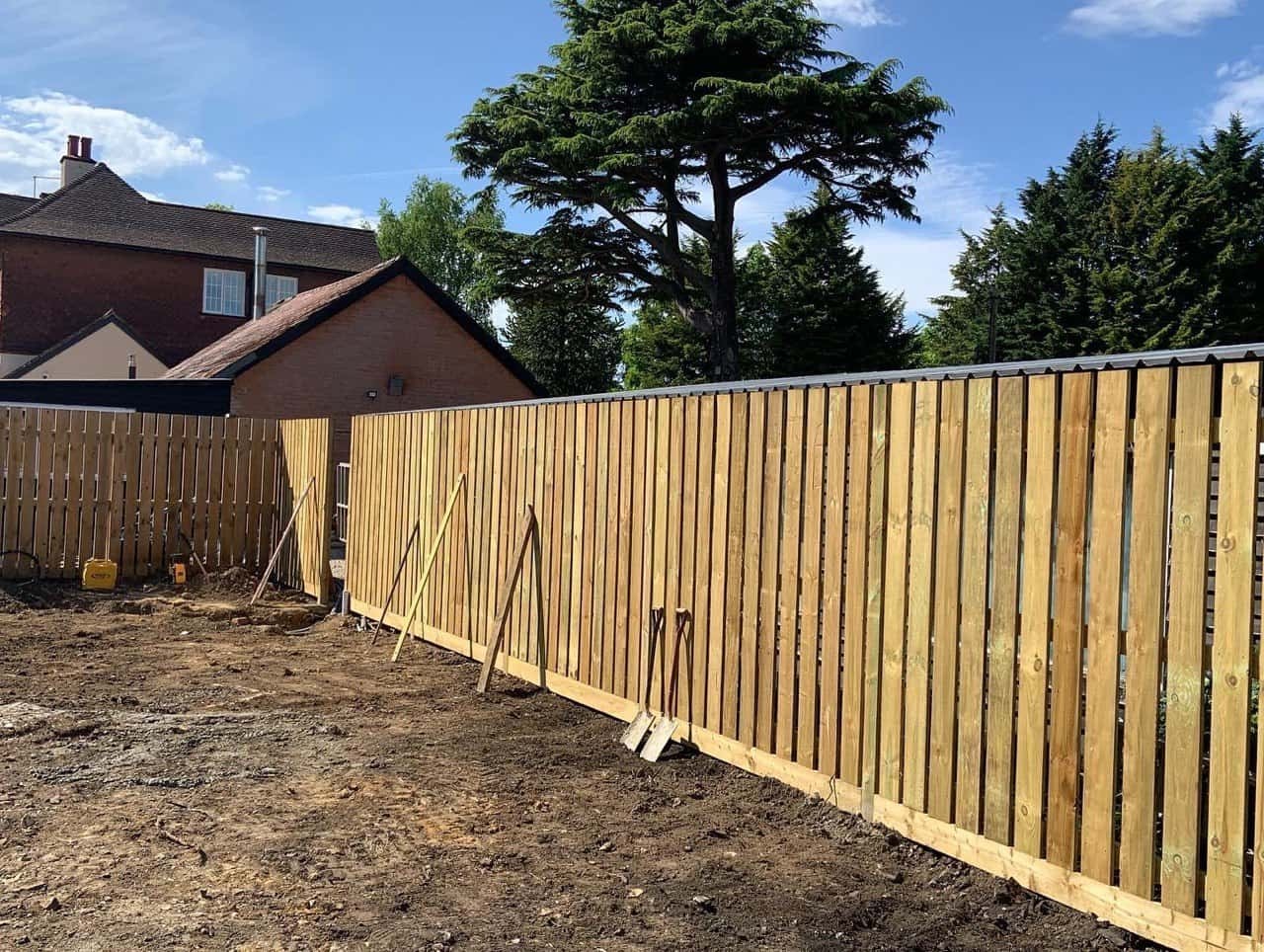
Stock Fencing: How to Keep Livestock Safe and Secure
Reliable stock fencing is essential for managing livestock and maintaining secure boundaries around agricultural land. Whether containing cattle, sheep or other farm animals, a well-planned fence helps reduce the risk of animals escaping, protects access routes and makes day-to-day farm management easier.
For farmers and landowners in Wimblington, Cambridge, choosing suitable stock fencing involves considering the type of livestock, the layout of the land and the strength of the fencing system. Proper installation and regular maintenance are equally important for keeping animals safely contained.
Why Stock Fencing Is Important
Stock fencing provides a physical boundary that helps keep livestock within designated grazing areas. It can also help separate animals from roads, neighbouring land and areas where access needs to be restricted.
A suitable fencing system should be strong enough for the animals it contains while remaining appropriate for the terrain and intended use. Poorly installed or damaged fencing can create gaps that animals may push through, increasing the risk of escapes and injury.
Choosing the Right Stock Fencing
Different animals have different fencing requirements. Sheep may require smaller mesh openings to prevent them squeezing through gaps, while cattle need fencing that can withstand greater pressure from larger animals.
When selecting stock fencing, consider:
- The species and size of the livestock
- The likelihood of animals pushing or rubbing against the fence
- The condition and slope of the ground
- The location of gates and access points
- The need to divide grazing areas into separate paddocks
Choosing an appropriate fencing design from the beginning helps create a more reliable enclosure suited to the animals and the land.
The Importance of Strong Fence Posts
Fence posts provide the structural support that keeps stock fencing upright and secure. If posts are poorly positioned, inadequately secured or unsuitable for the ground conditions, the fence may lean or lose tension over time.
Posts should be installed at suitable intervals, with additional support where corners, changes in direction or gates place greater strain on the structure. Correct installation helps maintain the stability of the fence and reduces the likelihood of sections becoming loose.
Maintaining Correct Fence Tension
Stock fencing needs to remain properly tensioned to perform effectively. If the wire becomes loose, gaps may develop beneath the fence or between the mesh and supporting posts. Livestock may then find opportunities to push through or become trapped.
Excessive tension can also cause problems by placing unnecessary strain on posts, fixings and wire. Professional installation helps ensure the fencing is secured appropriately for the chosen materials and site conditions.
Gates and Access Points
Gates are essential for moving livestock, accessing fields and carrying out routine farm work. However, they can also become weak points if they do not align correctly with the surrounding fence or cannot be secured properly.
Choose gates that suit the animals being contained and the equipment that needs to pass through them. Check hinges, latches and surrounding posts regularly to ensure gates remain stable and close securely.
Adapting Stock Fencing to the Ground
Uneven ground, slopes and changes in terrain can make stock fencing more challenging to install. If the fence does not follow the ground effectively, gaps may appear underneath it, allowing smaller animals to escape.
Careful planning helps ensure the fencing follows the land while maintaining suitable clearance and tension. The position of watercourses, drainage features and existing boundaries should also be considered when planning the layout.
Regular Stock Fence Inspections
Even a well-installed fence requires ongoing attention. Weather exposure, falling branches, animal pressure and general wear can gradually affect its condition.
Regular inspections should include checking for:
- Broken or bent wires
- Loose mesh and damaged fixings
- Leaning or unstable posts
- Gaps beneath the fence
- Damaged gates and faulty latches
- Areas where vegetation is affecting the fence
Repairing problems promptly helps maintain a secure enclosure and reduces the risk of minor defects developing into larger sections of damage.
When to Replace or Repair Stock Fencing
Not every fencing problem requires a complete replacement. Localised damage may be resolved by repairing a section of mesh, replacing a post or correcting loose fixings.
However, widespread deterioration, repeated failures or an unsuitable original design may indicate that a larger section needs replacing. A professional assessment can help establish the most appropriate solution for the condition of the existing fence and the livestock it needs to contain.
Professional Stock Fencing in Wimblington, Cambridge
For farmers and landowners in Wimblington, Cambridge, Fast Fix Fencing Wimblington can help with stock fencing projects designed around the needs of the property and its livestock.
From planning secure boundaries to installing or repairing damaged fencing, professional workmanship helps create a practical enclosure suited to the site. Discussing the type of animals, ground conditions and access requirements before work begins can help ensure the finished fence meets its intended purpose.
Conclusion
Effective stock fencing plays an important role in keeping livestock contained and supporting safe, organised farm management. Choosing suitable materials, installing strong posts, maintaining correct tension and inspecting the fence regularly all contribute to a secure boundary.
If you need new stock fencing or repairs to an existing enclosure in Wimblington, Cambridge, contact Fast Fix Fencing Wimblington to discuss your requirements and arrange a professional assessment.
Call us on: 01354 707 488
Click here to find out more about Fast Fix Fencing Wimblington
Click here to complete our contact form and see how we can help with your fencing needs.